
Last Updated On 23 May 2023
Ultrasonic Cavitation vs Liposuction: Your Guide to Shedding Stubborn Fat
Table of Contents
Are you tired of battling stubborn fat that just won’t budge no matter how hard you work out or watch your diet? Well, you’re not alone. Many of us struggle with those pesky areas that seem resistant to our best efforts. But do not worry; there are ways to assist you in getting the physical appearance of what you desire.Two popular techniques that have gained attention in the world of fat reduction are ultrasonic cavitation and liposuction.
You may now be asking, “What exactly are ultrasonic cavitation and liposuction?” We’ve got you illustrated so don’t fret. We’ll guide you through the fundamentals of these two treatments in this detailed guide, outlining how they operate and what to anticipate.
In conclusion, you’re going to know more precisely which choice could potentially be the best one for you. So, get ready to say goodbye to those stubborn fat pockets and hello to a more contoured and confident you! Let’s dive into the world of ultrasonic cavitation and liposuction and discover which path to body transformation is best suited for your goals.
Ultrasonic Cavitation vs Liposuction: Your Guide to Shedding Stubborn Fat

Ultrasonic cavitation is like having a secret weapon in the fight against stubborn fat. It is a harmless process that focuses on those troublesome regions that simply refuse to go back regardless of how diligently you workout or alter your dietary regimen.
So, how does it work? Imagine tiny sound waves going deep beneath your skin, breaking down fat cells without any surgery or needles involved. It’s like magic! These sound waves create little bubbles inside the fat cells, making them burst and disappear. The fact that ultrasonic cavitation is rapid and painless is one of its most appealing characteristics. After some exercise over your lunch break, you can resume your everyday activities without missing a beat. The results are noticeable and you’ll start seeing a more contoured and sculpted you after just a few sessions.Say goodbye to those love handles or that annoying belly fat that’s been bothering you.
Targeted areas for ultrasonic cavitation
Ultrasonic cavitation is a versatile treatment that can effectively target and reduce stubborn fat deposits in various areas of the body. For instance, if you’re struggling with love handles that just won’t go away no matter how much you exercise, ultrasonic cavitation can specifically target and break down the fat cells in that area, helping you achieve a more contoured waistline. Similarly, if you have unwanted bulges on your thighs or abdomen, ultrasonic cavitation can focus on those regions to reduce the appearance of excess fat. Whether it’s slimming down your arms, toning your buttocks, or defining your chin and neck area, ultrasonic cavitation offers targeted fat reduction for a more sculpted and confident you.
Pros and Cons of Ultrasonic Cavitation
Pros:
- Non-invasive: Ultrasonic cavitation is a non-surgical approach, consequently there are no incisions, anesthesia, or protracted recovery times.
- Targeted Fat Reduction: This technique specifically targets stubborn fat pockets in areas like the abdomen, thighs, love handles, and arms. It allows for precise contouring and shaping of the body, addressing localized fat deposits that may be resistant to diet and exercise.
- Safe and Minimal Side Effects: Ultrasonic cavitation is generally considered safe, with minimal side effects such as temporary redness or mild discomfort. It is a suitable option for individuals seeking a non-invasive alternative to surgical fat removal methods.
Cons:
- Multiple Sessions Required: Achieving optimal results often requires multiple ultrasonic cavitation sessions. This may require a commitment of time and financial investment.
- Not Suitable for Large Fat Volumes: Ultrasonic cavitation is more effective for smaller fat deposits. It may not be the best option for individuals with significant fat volumes or those looking for comprehensive body contouring.
- Varied Results: The effectiveness of ultrasonic cavitation can vary from person to person. Factors such as individual body composition, lifestyle, and adherence to post-treatment instructions can impact the outcome.
Why Should You Have Ultrasonic Cavitation?
While ultrasonic cavitation is a versatile treatment, it is essential to determine whether you are an ideal candidate before undergoing the procedure. The following factors can help determine suitability:
1. Stubborn Fat Deposits
Ultrasonic cavitation is most effective for individuals who have localized areas of stubborn fat that are resistant to diet and exercise. Common trouble spots include the abdomen, love handles, thighs, arms, and buttocks. If you have specific regions of fat that persist despite your best efforts, ultrasonic cavitation can help target and reduce those stubborn deposits.
2. Overall Good Health
Maintaining excellent overall health is essential to ensuring a secure and successful course of treatment. Even though the treatment is harmless, it is still recommended to consult with a qualified professional who can examine your medical history and spot any potential risks or limitations.
3. Stable Weight
Ultrasonic cavitation is not a weight-loss procedure. It is designed to contour and sculpt the body by reducing localized fat deposits. Therefore, it is crucial to have a stable weight before undergoing treatment. Significant weight fluctuations may affect the long-term results of ultrasonic cavitation.
4. Realistic Expectations
Having realistic expectations is crucial when considering any body contouring treatment. While ultrasonic cavitation can provide noticeable improvements, it is important to understand that individual results may vary. You can better grasp the possible results according to your specific physique type and goals by speaking with a skilled practitioner.
5. Commitment to a Healthy Lifestyle
Ultrasonic cavitation is most effective when combined with a healthy lifestyle. This involves maintaining a healthy diet, getting frequent exercise, and engaging in appropriate self-care routines. While the treatment can help reduce localized fat, adopting a healthy lifestyle will maximize the long-term benefits and overall well-being.
Liposuction
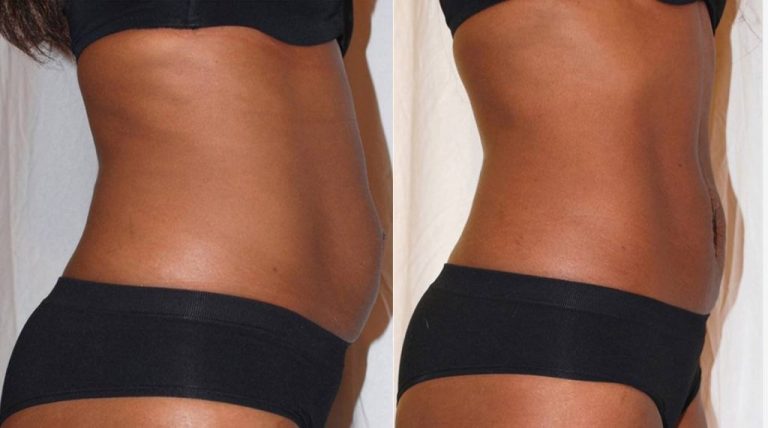
Liposuction is a popular cosmetic surgical procedure designed to remove excess fat deposits and sculpt the body. The arms, buttocks, thigh muscles and tummy are just a few of the body regions that can be targeted with this versatile cosmetic surgery procedure. It’s critical to comprehend how liposuction functions if you’re thinking about getting it to obtain a more sculpted physique. The surgical nature of liposuction allows the surgeon to have precise control over fat removal, sculpting the body according to the patient’s desired outcome.
Undergoing a Liposuction Process
Pre-operative Analyze
It’s important to get a full evaluation with a licensed aesthetic surgeon before having liposuction.The doctor performing the procedure will analyze your general health, identify particular segments of concern, and talk with you about your objectives at the very first consultation. Details about the treatment will be provided, along with an explanation of the liposuction process that will be carried out.
Incisions and Anaesthesia
On the day of the procedure, you will be administered anesthesia to ensure your comfort throughout the surgery. You might be given general anaesthesia or local anaesthesia with sedation, depending on the amount of the fat removal and the doctor’s advice. The doctor will make a few tiny incisions in the desired location once you’ve been given anaesthesia. The majority of the time, these incisions are tiny and set carefully to reduce scarring and provide simple access to unwanted deposits of fat.
Fat Removal
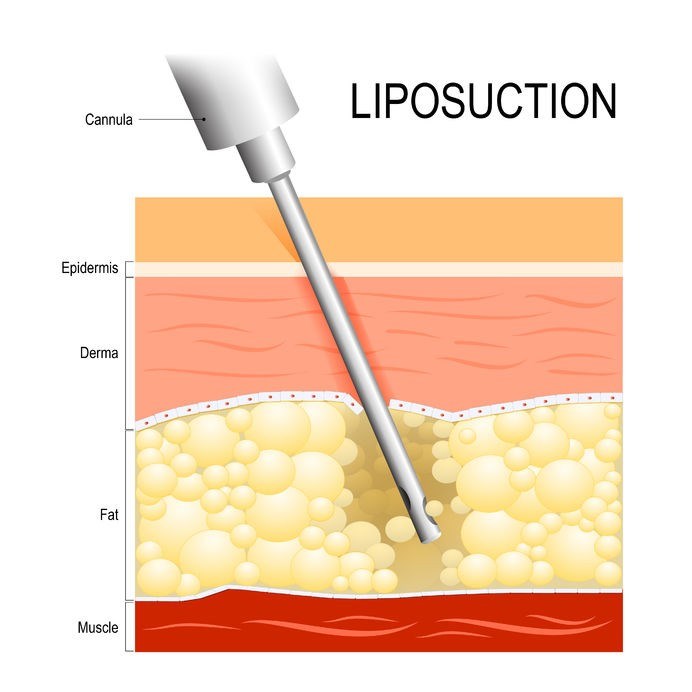
After creating the incisions, the surgeon will use a thin, hollow tube called a cannula. The cannula is inserted through the incisions and moved back and forth in a controlled manner to break up and dislodge the fat cells. The surgeon may employ different techniques, such as tumescent liposuction or ultrasound-assisted liposuction, to facilitate fat removal and enhance precision. An invasive suction or syringe connected to the probe is subsequently utilized for sucking out the loosening fatty tissue cells from the patient’s body. This process is performed meticulously, targeting specific areas and sculpting the body according to the patient’s desired outcome.
Post-operative Recovery
Following the liposuction procedure, you will be closely monitored in a recovery area. The surgeon may provide you with compression garments to wear, which help minimize swelling and support the healing process. You might have been required to remain in the surgical center for a brief period or even overnight, depending on the degree of the procedure and your doctor’s recommendations.It’s crucial to adhere to your surgeon’s post-operative recommendations while you’re recovering. This may include taking prescribed medications, attending follow-up appointments, and wearing compression garments as instructed. You can expect some bruising, swelling, and discomfort, but these symptoms gradually subside over time.
What’s the Difference Between Liposuction and Ultrasonic Cavitation?
Liposuction is suitable for individuals who require significant fat removal and comprehensive body reshaping. It can address larger fat volumes and provide more dramatic results. It is possible to customize liposuction to a person’s specific needs and objectives. Cavitation machines are generally well-tolerated, require no downtime or recovery, and can be a convenient option for individuals who prefer a non-surgical approach.
Ultrasonic cavitation is best suited for individuals with smaller, localized fat deposits that are resistant to diet and exercise. It can help contour and sculpt specific areas, providing noticeable improvements in body shape and definition. Ultrasonic cavitation is an effective treatment for targeted fat reduction and can help individuals achieve a more toned and contoured appearance.Liposuction allows for more dramatic results, but it does involve incisions, anesthesia, and a period of recovery. Ultimately, the choice between a cavitation machine and liposuction depends on factors such as the amount of fat to be removed, desired results, invasiveness, recovery time, and individual circumstances.

Paveethra
“Make it simple. Make it memorable. Make it inviting to look at. Make it fun to read.”
Frequently Asked Question
Liposuction, like most other plastic surgery procedures, is not usually covered by insurance. If you plan to undergo liposuction to improve your appearance aesthetically, your insurance company will likely not cover the costs.
Fat cavitation can help reduce fat by up to 20% in a single session, and can target specific areas such as the arms, belly, love handles, or thighs. It can also improve the appearance of cellulite and tighten the skin.
We usually recommend 4-8 sessions. Cavitation may require several sessions, and just like liposuctions, patients must carry them out within a week and allowing 72-hours apart. This is to ensure the cells do not reabsorb the fat.
SUBSCRIBE
Stay up-to-date with the latest news, tips, and trends by subscribing to our blog. Join our community and never miss a post! Sign up now and receive great gifts as a thank you for joining us