
Last Updated On 31st March 23
Mastering the Art: How To Use Microdermabrasion Machine
Table of Contents
Microdermabrasion machines have gained popularity as an effective and convenient way to achieve smoother and more radiant skin. However, using these machines correctly is crucial to maximize their benefits and ensure a safe and successful treatment. In this guide, we will take you through the step-by-step process of using a microdermabrasion machine, providing you with the knowledge and confidence to master this skincare technique. Get ready to unlock the secrets of professional-grade exfoliation and rejuvenation from the comfort of your own home.
What is Microdermabrasion?
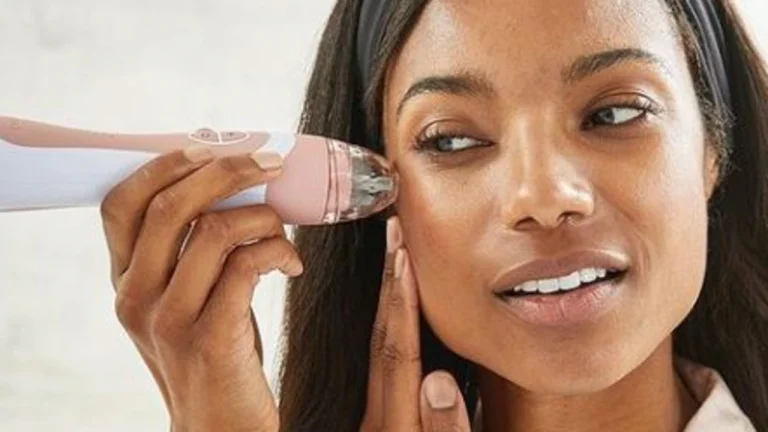
Microdermabrasion is a popular skincare treatment known for its ability to provide numerous benefits to the skin. It is a convenient option for individuals with busy schedules as it requires minimal downtime. The process is similar to using a buffer to polish the nails at a nail salon.
Microdermabrasion machine combines two methods for facial rejuvenation that is mechanical exfoliation and vacuum suction. The mechanical exfoliation aspect of microdermabrasion offers a range of benefits. By buffing away the old and dead skin cells, it stimulates the shedding process and encourages the growth of newer and healthier cells. This results in a fresh and rejuvenated appearance. The vacuum suction component of microdermabrasion plays a crucial role in the treatment. Improved blood circulation brings fresh nutrients to the surface of the skin, nourishing it and promoting a healthy glow. The suction action also assists the lymphatic system in draining away toxins, further enhancing the detoxification process. By combining these two techniques, microdermabrasion offers a comprehensive approach to facial rejuvenation. It effectively exfoliates the skin, promotes cell renewal, evens out the skin tone, and aids in toxin removal. The result is a smoother, more radiant complexion.
Types of Microdermabrasion
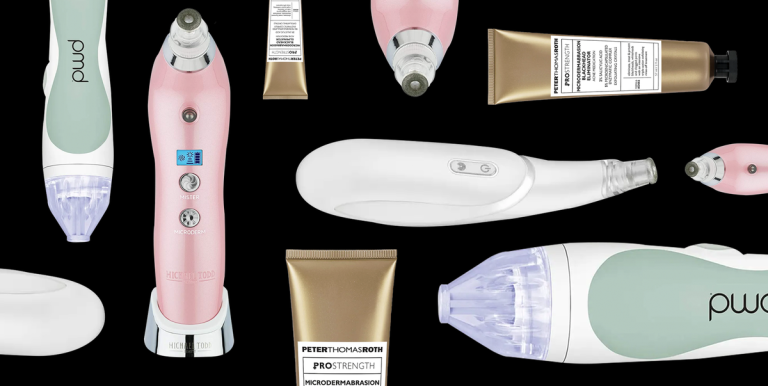
Some microdermabrasion systems are designed for home use. Some best home microdermabrasion kits offer convenience and are a more cost-effective option for regular treatments. These kits typically include a handheld device with interchangeable tips or discs that provide exfoliation and suction. Here are some types of microdermabrasion available in the market.
- Crystal Microdermabrasion: This type of microdermabrasion involves the use of fine crystals, such as aluminum oxide or sodium bicarbonate, which are sprayed onto the skin. The crystals gently exfoliate the outer layer of the skin, while a vacuum suction system removes the crystals and dead skin cells. When treated using crystals, super-fine crystals pass through the microdermabrasion machine to a glass or stainless steel wand.
- Diamond Tip Microdermabrasion: The diamond tip abrades the skin’s surface, removing dead cells, and the suction component eliminates the debris. Each diamond-encrusted tip has different grit levels, finer the tip, the less harsh they are on the skin.
- HydraFacial: HydraFacial combines microdermabrasion with a hydrating and nourishing serum infusion.
- Oxygen Microdermabrasion: Oxygen is delivered through a special device along with the exfoliation process, enhancing the skin’s oxygenation and promoting a healthy glow.
- Crystal-Free Microdermabrasion: Crystal-free microdermabrasion utilizes a diamond tip or a specialized abrasive surface without the use of crystals.
Step by Step Procedure to Perform Microdermabrasion at Home
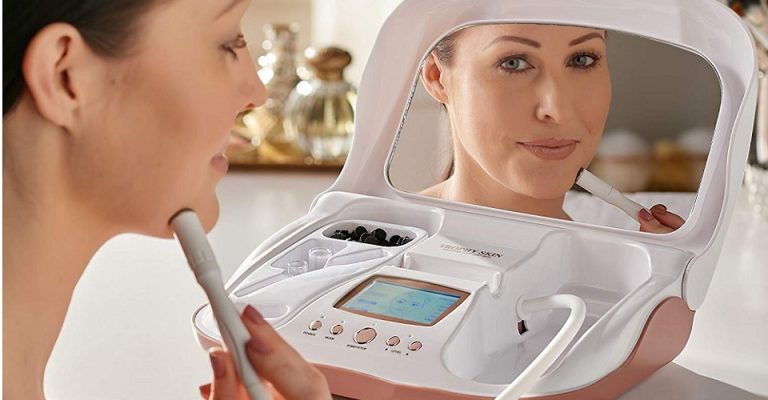
Performing microdermabrasion at home can be a convenient and cost-effective way to exfoliate and rejuvenate your skin.
- Prep Your Equipment: Gather the necessary microdermabrasion tools. This typically includes a handheld microdermabrasion device or kit, which usually consists of a wand or applicator and exfoliating tips or discs. Make sure your device is clean and charged if it is rechargeable.
- Choose the Appropriate Tip: Depending on your device, select the exfoliating tip or disc that suits your skin’s needs and the level of intensity you desire. Some devices offer different tips for varying levels of exfoliation.
- Start with Low Settings: If your device has adjustable settings, begin with the lowest intensity level. You can gradually increase the intensity as your skin becomes accustomed to the treatment.
- Begin the Treatment: Hold the microdermabrasion wand or applicator against your skin, starting from the forehead and moving downward. Use gentle, overlapping strokes, moving the device in a slow and controlled manner. Avoid staying in one area for too long to prevent overexfoliation.
- Follow the Recommended Pattern: Many microdermabrasion devices provide a recommended pattern to follow, such as vertical or horizontal sweeps. Refer to the instructions provided with your specific device to ensure proper usage.
- Pay Attention to Sensitive Areas: Take extra care when treating delicate areas such as the eye area, lips, and nose. Use lighter pressure or switch to a smaller tip or disc specifically designed for these areas.
- Adjust Pressure as Needed: Modify the pressure applied to the device based on your personal comfort and the sensitivity of your skin. Be gentle and avoid excessive force that may irritate or damage the skin.
- Focus on Problem Areas: If you have specific skin concerns, such as acne scars or hyperpigmentation, spend a bit more time treating those areas. However, maintain an even treatment across your entire face for overall consistency.
- Rinse and Moisturize: Riinse your face with cool water to remove any remaining exfoliated skin cells. Follow up with a gentle moisturizer to hydrate and soothe the skin.
- Clean and Store Your Device: Clean the exfoliating tips or discs according to the manufacturer’s instructions. Properly store your microdermabrasion device in a clean and safe place for future use.
Are At-Home Systems Effective for Microderbasion?
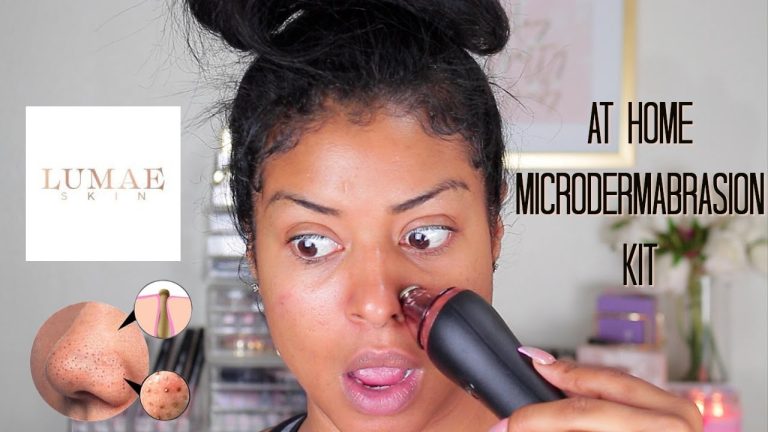
While they can provide some benefits, it’s important to understand that at-home systems may not offer the same level of effectiveness as professional treatments performed by trained estheticians or dermatologists. Here are some factors to consider when evaluating the effectiveness of at-home microdermabrasion systems:
- Intensity and Depth: At-home systems typically have lower intensity and less aggressive exfoliation compared to professional treatments. However, this also means that the results may be less pronounced compared to professional treatments that can penetrate deeper into the skin.
- Treatment Customization: Professional treatments allow for more customization based on individual skin types, concerns, and desired outcomes. Estheticians and dermatologists can assess your skin condition and adjust the treatment accordingly.
- Professional Expertise: Professional treatments benefit from the expertise and experience of trained professionals who understand the intricacies of skin and can provide personalized recommendations. They can assess your skin condition, identify specific concerns, and tailor the treatment to address those concerns effectively. At-home systems lack this level of professional guidance.
- Safety and Risk: At-home microdermabrasion systems are generally safe when used as directed. Professional treatments performed by experienced practitioners offer a higher level of safety and minimize the risk of adverse effects.
- Maintenance and Long-Term Results: At-home systems require consistent and regular use to maintain results. The expertise and advanced technology used in professional settings can deliver more comprehensive outcomes that may be challenging to achieve with at-home systems alone.
What to Avoid When Doing Microdermabrasion at Home
By being mindful of these points and avoiding these common mistakes, you can ensure a safer and more successful microdermabrasion experience at home.
- Avoid over-exfoliation: Do not use the microdermabrasion device too frequently or with excessive pressure. Over-exfoliating can lead to skin irritation, dryness, redness, and swelling. Follow the recommended usage guidelines and give your skin enough time to recover between treatments.
- Do not apply excessive pressure: Be cautious of the pressure you apply while using the microdermabrasion device. Applying too much pressure can scratch the skin and cause irritation. Use a gentle touch and let the device do the work without pressing too hard.
- Choose a suitable microdermabrasion device: Select a device that is specifically designed for at-home use and has been tested for safety. Research different options, read reviews, and consider consulting with a dermatologist to ensure you choose a reliable and suitable device for your skin type and needs.
- Focus on skin conditions: It’s important to seek guidance from a dermatologist before attempting microdermabrasion at home such as eczema, active acne and more. These conditions may require special care or be contraindicated for the treatment.
- Perform a patch test: Before using a new microdermabrasion device or product, conduct a patch test on a small area of the skin. This helps to check for any adverse reactions or sensitivities. Skipping this step can increase the risk of unwanted skin reactions.
- Protect your skin from the sun: Microdermabrasion can make your skin more sensitive to sunlight. Avoid excessive sun exposure before and after the treatment, and always apply a broad-spectrum sunscreen with a high SPF to protect your skin from harmful UV rays.
- Avoid using harsh or irritating products: In the days leading up to and following microdermabrasion, avoid using harsh or irritating skincare products such as retinoids, AHAs, BHAs, and chemical exfoliants. These products can further sensitize the skin and lead to irritation when combined with microdermabrasion.
- Do not share devices: It’s important to keep your microdermabrasion device for personal use only. Sharing the device with others can increase the risk of cross-contamination and the spread of bacteria. Each person should have their own dedicated device to maintain hygiene and prevent potential skin issues.
Ideal candidates for Microdermabrasion
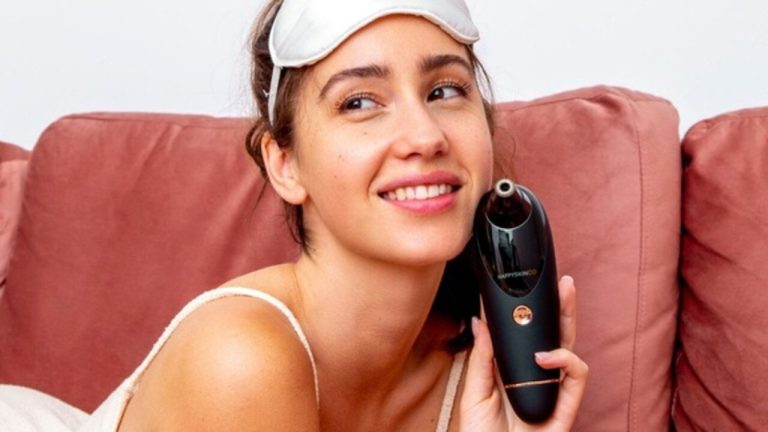
- Healthy Skin: Ideal candidates for microdermabrasion have generally healthy skin with no active infections, wounds, or chronic skin conditions. It is important to have a stable skin condition before considering this treatment.
- Skin Concerns: Microdermabrasion is suitable for individuals who have specific skin concerns they want to address. It can effectively improve the appearance of fine lines, wrinkles, age spots, hyperpigmentation, uneven skin tone, and mild scarring. It is also beneficial for improving skin texture, smoothness, and radiance.
- Aging Concerns: Microdermabrasion is a popular choice for individuals who want to address the signs of aging. It stimulates collagen production, which helps to firm and tighten the skin, reducing the appearance of fine lines and wrinkles. It can also enhance the absorption of anti-aging skincare products, maximizing their effectiveness.
- Skin Texture Issues: Individuals with rough or uneven skin texture can benefit from microdermabrasion. It exfoliates the outermost layer of dead skin cells, revealing smoother and softer skin underneath. It can also help to minimize the appearance of enlarged pores, blackheads, and whiteheads.
- Mild Skin Discoloration: Microdermabrasion can be effective in reducing mild skin discoloration and hyperpigmentation caused by sun damage or hormonal changes. It helps to fade dark spots and even out the skin tone, resulting in a more uniform complexion.
- Minimal Downtime: Ideal candidates for microdermabrasion appreciate treatments that require little to no downtime. Most individuals can resume their regular activities immediately after the treatment.
- Committed to Skincare: To maximize the benefits of microdermabrasion, ideal candidates are committed to a regular skincare routine.
- Realistic Expectations: Ideal candidates have realistic expectations about the results of microdermabrasion. While it can improve the appearance of the skin, it may not completely eliminate deep wrinkles, severe scarring, or significant skin discoloration. It is important to have a clear understanding of what microdermabrasion can and cannot achieve.

Paveethra
My deep passion for beauty tech devices fuels me to write and share my thoughts to likeminded individuals.
Frequently Asked Question
Microdermabrasion is generally safe for all skin types, including sensitive skin. However, it is recommended to consult with a skincare professional to assess your skin’s specific needs and any potential contraindications.
A microdermabrasion session usually takes around 30 to 60 minutes, depending on the treatment area and the specific device used
Microdermabrasion is a gentle procedure that is usually well-tolerated.
SUBSCRIBE
Stay up-to-date with the latest news, tips, and trends by subscribing to our blog. Join our community and never miss a post! Sign up now and receive great gifts as a thank you for joining us